
Blog
Election Season Stress
Stress-Tension During The Campaign Season
Election season brings a unique kind of stress to many families. Between news cycles, social media debates, and genuine concern about political outcomes, it’s easy to feel mentally and emotionally overwhelmed. But did you know that this mental stress directly affects your body? One of the most common physical responses is neck and shoulder tension—and it’s completely real, not imaginary.
When we experience anxiety or worry, our nervous system enters a heightened state. Our muscles tighten as if preparing for a physical threat, even though the threat is purely emotional. For working parents juggling jobs, family, and political engagement, this tension can accumulate day after day, leading to chronic stiffness, headaches, and even pain.
How Stress Shows Up in Your Neck and Shoulders
Three postural patterns commonly emerge during stressful periods:
- Jaw clenching: Without realizing it, many people clench their teeth when anxious, straining the temporomandibular joint and radiating tension up into the temples and neck.
- Shoulder hunching: Raised, tense shoulders are a classic stress posture. This position compresses nerves and restricts blood flow, making tension worse over time.
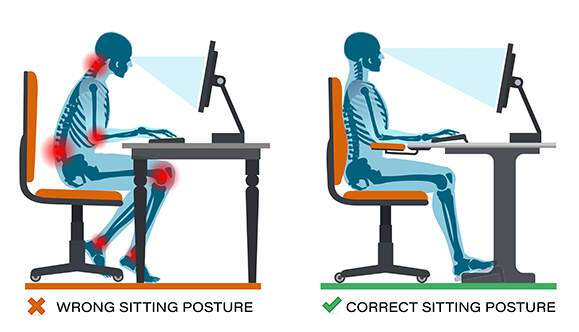
- Forward head posture: Hunching over your phone or laptop to follow election news compounds the problem, pulling your head forward and overloading your cervical spine.
When these patterns persist for weeks during campaign season, they’re not just uncomfortable—they can lead to reduced mobility, radiating arm pain, and persistent headaches that further amplify stress and frustration.
Breaking the Stress-Tension Cycle
Awareness is the first step. Simply noticing when you’re hunching or clenching can interrupt the automatic response. Set reminders on your phone during the day to check your posture: Are your shoulders near your ears? Is your jaw tight? Rolling your shoulders back and consciously relaxing your jaw for even 30 seconds can reset your nervous system.
Take regular movement breaks. Sitting for hours while scrolling through election updates locks tension into place. Every hour, stand up, gently rotate your head in circles, roll your shoulders, and do a few neck stretches. This simple habit prevents tension from accumulating and keeps your spine mobile.
Manage screen time intentionally. If you’re checking news or engaging in political discussions online, set a time limit and step away. Keeping your phone at eye level—not down at your lap—also reduces forward head posture strain.
While postural awareness and movement are essential, chiropractic adjustments at Family Chiropractor NJ directly address the physical tension that stress creates. Spinal misalignments and muscle tension from chronic stress can interfere with nerve function and blood flow, perpetuating both physical discomfort and emotional anxiety. Regular chiropractic care from Family Chiropractor NJ realigns your spine, reduces muscle tension, and helps restore normal nervous system function—giving your body the best chance to manage stress without medication.
Many patients find that consistent adjustments during high-stress periods help them feel calmer and more grounded, not just physically but emotionally as well. When your body isn’t in pain or tension, your mind can focus better and worry less.
A Practical Family Strategy
Make stress management a family habit. Model good posture and screen boundaries for your kids. Do neck stretches together during TV time. If you’re a working parent managing election stress while keeping your family stable, remember that taking care of your physical health isn’t selfish—it’s foundational. When you feel better physically, you parent better, work better, and handle stress with more resilience.
Election season will pass, but the habits you build now—awareness, movement, and professional care—will serve your family’s health long after the campaigns end. If you’re experiencing persistent neck tension, jaw pain, or stress-related discomfort, we can help reset your spine and nervous system. Your body doesn’t have to carry all that stress alone.
Call (201) 995-9900 or visit our contact page.
Anxiety and Spinal Tension

The Spine-Anxiety Link: More Connected Than You Might Think
Anxiety often feels like it lives entirely in your head—racing thoughts, worry, that familiar tightness in your chest. But if you’ve ever noticed your shoulders creeping up toward your ears during a stressful day, you’re experiencing something real: your spine and nervous system are deeply intertwined. Physical tension and emotional stress create a feedback loop, and understanding that connection can be the first step toward managing both.
How Vertebral Misalignment Amplifies Stress
Your spine houses your central nervous system, which controls how your body responds to perceived threats. When vertebrae become misaligned the surrounding muscles tighten to stabilize the area. This muscular guarding sends constant signals to your nervous system that something is “off,” which can trigger or intensify your body’s fight-or-flight response. Over time, your nervous system stays in a heightened state of alert, making you more prone to anxiety and stress.
Think of it this way: if your spine is sending “emergency” signals to your brain, your brain believes there’s a threat. Even if the threat is just poor posture or an old injury, your body can’t distinguish between that and actual danger. The result is a body stuck in sympathetic overdrive—the part of your nervous system responsible for stress activation.
Muscle Tension: A Visible Sign of Nervous System Stress
Chronic muscle tension in the neck, upper back, and shoulders is one of the most common physical manifestations of anxiety. Your body literally braces against stress by tightening these muscles. But here’s the important part: that tension also reinforces the anxiety cycle. Tight muscles send more “alarm” signals to your nervous system, which keeps you feeling anxious even after the stressor has passed.
Many people don’t realize that addressing the physical component—the muscle tension and spinal alignment—can help quiet the nervous system signal itself. You’re not ignoring the anxiety; you’re removing one of its primary physical drivers.
Spinal adjustments work by restoring proper alignment and reducing nerve interference. When your vertebrae are repositioned correctly, the surrounding muscles can relax, and your nervous system receives clearer, calmer signals. A growing body of research and patient reports suggest that this can help reduce both the physical symptoms of anxiety—like muscle tension and shallow breathing—and the emotional experience of worry itself.
By removing subluxations and restoring spinal mobility, chiropractic adjustments may help shift your nervous system out of high alert and back toward a more balanced state. This is a natural, drug-free approach that works with your body’s own healing mechanisms rather than masking symptoms.
Practical Self-Awareness Tips
Before your next appointment, try these simple check-ins to understand your personal stress-tension connection:
- Shoulder and neck scan: Several times a day, pause and notice: Are your shoulders raised? Is your neck craned forward? Simply noticing the tension is the first step toward releasing it.
- Breath awareness: Anxiety often goes hand-in-hand with shallow, rapid breathing. When you feel stressed, place a hand on your belly and take three slow, deep breaths. Notice if your shoulders drop.
- Posture check-ins: Slumped or forward-leaning posture can reinforce anxiety signals. At your desk, in your car, or on the couch, straighten your spine gently and notice how it feels in your mind and body.
- Journal your patterns: Note when tension appears during your day. Does it spike during certain tasks, times, or situations? Recognizing the pattern helps you intervene early.
If you’re experiencing ongoing anxiety paired with neck, shoulder, or back tension, Family Chiropractor NJ offers a practical entry point to address both the physical and nervous system components. A thorough evaluation can identify spinal misalignments contributing to your stress response, and a personalized adjustment plan can help restore balance to your nervous system.
Your mind and body are not separate—they’re in constant dialogue. By caring for your spine, you’re supporting your nervous system’s ability to stay calm, focused, and resilient.
Call (201) 995-9900 or visit our contact page.
Earaches in Children

Understanding Earaches in Children
Earaches are one of the most common complaints parents hear from young children. While infections are often the first suspect, recurrent ear discomfort can sometimes stem from structural issues in the neck and upper spine. If your child struggles with repeated ear problems or you’re looking for natural ways to support ear health alongside conventional care, chiropractic can be part of a whole-body approach worth exploring.
The Spine–Ear Connection
The cervical spine (neck) and upper back house nerves that influence ear function, drainage, and overall health of the ear canal. When vertebrae in this region become misaligned—what chiropractors call a subluxation—nerve signals can be disrupted. This misalignment may interfere with proper drainage of fluid from the middle ear, potentially contributing to discomfort or recurrent issues.
Additionally, tight muscles in the neck and jaw can restrict blood flow and nerve function, further affecting ear health. Children who spend prolonged time hunched over tablets, sit with poor posture at school desks, or experience minor neck injuries from play may develop subtle spinal misalignments that go unnoticed until symptoms appear.
Chiropractic Adjustments Support Ear Health
Chiropractic care from Family Chiropractor NJ focuses on restoring proper alignment and movement to the spine. When we gently adjust the cervical and thoracic spine in children, the goal is to:
- Restore normal nerve function in the neck and upper back
- Improve drainage and circulation around the ear structures
- Reduce muscle tension that may contribute to ear discomfort
- Support the body’s natural ability to maintain ear health
Pediatric chiropractic adjustments are gentle, tailored to a child’s size and developmental stage. Many parents report that their children experience fewer ear-related issues after starting regular chiropractic care, though results vary from child to child.
Posture and Screen Time: What Parents Can Do
One of the easiest ways to support your child’s spine—and indirectly, ear health—is to encourage good posture, especially during screen time. Here are practical strategies:
- Screen height: Position tablets, phones, and computer monitors at eye level so your child isn’t looking down for extended periods.
- Break time: Set a timer for every 20–30 minutes of screen use. Have your child stand, stretch, and look away from the device.
- Desk setup: Ensure your child’s school desk and chair support an upright posture with feet flat on the floor.
- Backpack weight: Keep school backpacks light and ensure both straps are worn to avoid asymmetrical neck strain.
- Neck exercises: Gentle neck stretches and slow head rotations can help maintain mobility and reduce muscle tension.
If your child experiences recurrent ear discomfort, frequent ear infections, or drainage issues despite medical evaluation, a chiropractic consultation from Family Chiropractor NJ can help determine whether spinal misalignment may be playing a role.
Chiropractic is most effective when combined with other preventive measures: maintaining good hygiene, encouraging proper posture, and working with your pediatrician to rule out active infections or medical conditions that require conventional treatment.
A Whole-Family Approach to Ear Health
Ear health in children isn’t just about treating symptoms—it’s about supporting overall spinal and nervous system function. Regular chiropractic check-ups from Family Chiropractor NJ, mindful posture habits, and an active lifestyle can all contribute to healthier ears and a healthier child. If you’ve noticed your child struggling with ear issues and want to explore how chiropractic care might help, we’re here to answer your questions and provide a gentle, child-friendly evaluation.
Call (201) 995-9900 or visit our contact page.
Joint Stiffness

Understanding Morning Joint Stiffness
If you wake up feeling like your joints need a few minutes—or longer—to loosen up, you’re not alone. Morning joint stiffness is one of the most common complaints heard from working parents and adults juggling busy schedules. The good news: understanding what causes it can help you move past it naturally.
Your body’s stiffness when you wake up is partly by design. During sleep, your joints enter a state of reduced motion. Synovial fluid, the lubricant that keeps your joints moving smoothly, redistributes as you rest. When you’ve been stationary for 6 to 8 hours, it takes time for that fluid to reactivate and coat your joint surfaces again. This is a normal physiological process—but several factors can make morning stiffness worse than it needs to be.
Sleep Position and Mattress Quality Affect Morning Mobility
Where and how you sleep matters more than most people realize. If you’re sleeping in a position that twists your spine or puts pressure on your shoulders and hips, you’re compounding the natural stiffness that comes with rest.
Side sleepers often develop tightness in their lower back and hip if their mattress sags or doesn’t provide enough support. Back sleepers can experience neck and upper-back stiffness if their pillow is too high or too flat. And stomach sleepers—though less common—put their cervical spine in an awkward rotation for hours.
Your mattress plays an equally important role. A mattress that’s too soft allows your spine to sink into an unaligned position. One that’s too firm can create pressure points that leave you achy. If your mattress is more than 8 to 10 years old, it’s likely lost the support it once provided. Upgrading or adjusting your sleep setup—combined with a pillow that keeps your spine neutral—can reduce morning stiffness significantly.
Gentle Movement: Your Best Friend in the Morning
The worst thing you can do for morning stiffness is nothing. Lying in bed longer or jumping straight into an intense workout both work against you. Instead, gentle, purposeful movement reactivates your synovial fluid and signals your joints to prepare for the day.
Start with simple, slow stretches before you even get out of bed. Hug your knees to your chest for 10 to 15 seconds, then gently rock side to side. Rotate your ankles and wrists in small circles. Once you’re up, a 5-minute routine of light stretching—think gentle neck rolls, shoulder circles, forward folds, and spinal twists—can make a dramatic difference.
A warm shower amplifies this effect. Heat increases blood flow and makes your muscles and joints more pliable, so combining warmth with gentle movement is a powerful combination.
Chiropractic Care and Stretching for Long-Term Relief
If morning stiffness persists despite better sleep habits and a stretching routine, your spine may be misaligned in ways that restrict your natural mobility. Subluxations—vertebrae that are slightly out of position—can pinch nerves and limit your range of motion, making morning stiffness worse and recovery slower.
Regular chiropractic adjustments from Family Chiropractor NJ can restore proper spinal alignment, which allows your joints to move freely and your synovial fluid to distribute evenly. When your vertebrae are aligned, your nervous system can communicate more effectively with your muscles, improving flexibility and reducing pain naturally—without medication.
Pairing adjustments with a consistent stretching routine creates lasting results. We can recommend specific stretches tailored to your body and sleep position, making your morning routine even more effective.
Making Morning Mobility a Habit
Morning joint stiffness doesn’t have to be your normal. By evaluating your sleep position, investing in proper support, moving gently when you wake, and addressing any underlying spinal alignment issues, you can reclaim those first hours of your day and start each morning feeling mobile and ready.
Call (201) 995-9900 or visit our contact page.
Infrared Sauna and Headache Relief

Understanding Headaches and the Role of Tension
Chronic headaches affect millions of people, and while causes vary widely—tension, posture, stress, muscle tightness—many sufferers find relief through a combination of approaches rather than a single solution. If you’ve been exploring ways to manage headache frequency or intensity, infrared sauna therapy may be worth considering as part of a broader wellness routine alongside chiropractic care.
How Infrared Heat Works
Infrared saunas differ from traditional saunas because they use infrared light to warm your body directly, rather than heating the surrounding air. This penetrating warmth can reach deeper into tissues, promoting circulation and relaxation without the extreme temperatures of a conventional sauna. For headache sufferers, this gentle, sustained heat may help ease muscle tension in the neck, shoulders, and upper back—areas where tightness often contributes to headache onset.
Circulation and Tension Relief
When your body is exposed to infrared heat, blood vessels dilate and circulation improves. Better blood flow means more oxygen and nutrients reach tight, fatigued muscles. Many people report that the muscle relaxation experienced during and after an infrared sauna session feels deeply soothing, particularly in areas prone to holding stress. For those whose headaches stem from cervical or shoulder tension, this circulation boost may provide meaningful relief and may also support faster recovery when combined with chiropractic adjustments.
Stress Reduction and Nervous System Calm
Stress and tension often feed each other in a cycle that can trigger or worsen headaches. The quiet, warm environment of an infrared sauna gives your body a chance to shift out of fight-or-flight mode and activate your parasympathetic nervous system—the “rest and digest” response. This state of relaxation can lower overall tension levels and may help break the stress-headache cycle over time with regular use.
While infrared sauna offers promising benefits for headache management, it works best as part of a comprehensive wellness plan. Chiropractic care addresses underlying spinal alignment and nerve function, while infrared sauna supports muscular relaxation and circulation—two different but complementary approaches. Many patients find that pairing regular chiropractic adjustments with periodic infrared sauna sessions creates a synergistic effect, allowing their bodies to heal and recover more fully.
If you’re new to infrared sauna, start with shorter sessions (10–15 minutes) at moderate temperatures to let your body adapt. Stay hydrated before and after use. If you’re pregnant, have heart conditions, or are taking medications that affect heat sensitivity, check with your healthcare provider first. Many wellness practices and spas offer infrared sauna access, and some chiropractic offices—including ours—feature infrared sauna services on-site.
A Holistic Path Forward
Chronic headaches rarely have a single cause, and relief often comes from addressing multiple factors: spinal alignment, muscle tension, stress levels, and lifestyle habits. Infrared sauna can play a valuable role in this picture, offering a natural, non-invasive way to support your body’s own healing processes. When combined with regular chiropractic care, improved posture, and stress management, infrared sauna may help you reclaim comfort and wellness.
Call (201) 995-9900 or visit our contact page.
Athletic Performance in Teen Athletes

Getting Your Teen Ready for Fall Sports
As summer winds down and fall sports season kicks into gear, parents and teens are gearing up for football, soccer, volleyball, cross-country, and more. It’s an exciting time—but it’s also a critical window to prepare your teen’s body for the demands of competitive play. Just like you’d service a car before a long road trip, a pre-season chiropractic assessment from Family Chiropractic NJ can be the difference between a healthy, injury-free season and one cut short by preventable strain or misalignment.
Pre-Season Assessment Matters
Young athletes spend months away from their sport during the off-season. When they return to intense training, their bodies need time to adapt—but many teens jump back in at full speed, especially if they’re motivated to make the team or earn playing time. A chiropractic evaluation before the season starts identifies postural imbalances, muscle tightness, and movement patterns that could set the stage for injury.
These assessments can uncover issues like a tilted pelvis, restricted spinal rotation, shoulder imbalances, or weak core stability—problems that might not cause pain yet but can amplify stress on joints and soft tissues once training begins. By addressing these issues early, you’re giving your teen a genuine competitive edge and significantly reducing injury risk.
Improving Range of Motion and Movement Quality
Sports performance hinges on mobility and stability working together. Family Chiropractic NJ can identify restrictions in your teen’s spine, hips, ankles, and shoulders that limit their range of motion. Whether it’s a volleyball player who can’t fully rotate their trunk for a spike or a football player with tight hip flexors affecting their stride, these limitations affect both performance and injury vulnerability.
Targeted chiropractic adjustments, combined with stretching and strengthening exercises, restore proper alignment and movement patterns. Your teen will feel more fluid, more responsive, and more confident on the field or court. Many young athletes report improved agility, faster recovery between drills, and less post-practice soreness after just a few weeks of care.
A Foundation for Injury Prevention
Fall sports season is demanding. Repetitive movements, high-impact landings, sudden direction changes, and long practices and games all stress the spine and joints. A teen whose spine is already slightly misaligned enters the season at a disadvantage—their nervous system is already working overtime to compensate, leaving less reserve capacity for the physical demands ahead.
Chiropractic care from Family Chiropractic NJ optimizes spinal alignment and nervous system function, allowing your teen’s body to handle training load more efficiently. Think of it as removing friction from the system. When the spine is properly aligned, muscles engage more effectively, coordination improves, and the body recovers faster from exertion.
Infrared Sauna: A Game-Changing Recovery Tool
Pre-season assessment is just the start. Post-practice and post-game recovery is where your teen’s body actually adapts and gets stronger. This is where infrared sauna therapy shines as a complementary wellness tool. After hard training or competition, infrared sauna sessions help reduce muscle soreness, increase blood flow to tired muscles, and support the nervous system’s recovery response. Many young athletes find that regular sauna use between games or practices speeds their bounce-back and helps them feel fresher heading into the next challenge.
Starting Now Sets the Tone
The weeks leading up to fall sports season are the ideal time to schedule a chiropractic assessment. Your teen will start the season with a body that’s optimally aligned, mobile, and resilient. Combined with smart training, good hydration, and adequate sleep, this foundation can mean the difference between a season full of strong performances and one derailed by preventable injuries.
If your teen is preparing for fall sports, don’t wait until an injury forces a visit. Schedule a pre-season assessment now and give them the edge they need to play their best and stay healthy all season long.
Call (201) 995-9900 or visit our contact page.
Balance and Pregnancy

Pregnancy Shifts Your Center of Gravity
One of the first physical changes you’ll notice during pregnancy isn’t just the growing belly—it’s how your body moves through space. Your walk feels different. Your balance feels less reliable. This isn’t just in your head; your center of gravity is literally shifting forward as your baby grows, and your body is working overtime to adjust.
As your belly expands, your weight distribution changes dramatically. Your center of gravity—the point around which your body balances—moves forward and upward. To compensate, you may naturally lean back, changing your posture and the way you walk. This altered gait, sometimes called a “pregnancy waddle,” is your body’s clever attempt to stay balanced with the extra weight in front.
Hormones Loosen Your Ligaments
Beyond the visible bump, pregnancy hormones are making profound changes inside your body. A hormone called relaxin is released to prepare your pelvis for delivery by loosening ligaments and softening connective tissue. While this is essential for childbirth, it also temporarily reduces the stability of your joints—including your ankles, knees, and spine.
Looser ligaments mean less structural support when you move. Your joints have more play, which can feel unstable or wobbly, especially when walking on uneven surfaces or changing positions quickly. Combined with your shifting center of gravity, this hormonal loosening is why many pregnant women report feeling clumsier or less confident on their feet.
Falls become a real concern during pregnancy. A slip or stumble could injure not just you, but your baby. Additionally, poor balance and altered gait can strain your muscles and joints as they work harder to keep you upright. Many pregnant women experience lower back pain, pelvic pain, and hip discomfort—problems that often stem directly from the compensation patterns created by balance shifts.
The good news? These changes are manageable with the right support and care. Understanding what’s happening in your body is the first step to staying safe and comfortable.
Prenatal Chiropractic Care and Spinal Stability
Prenatal chiropractic care is a natural, non-invasive way to address balance and gait concerns during pregnancy. We are trained in prenatal care and can assess your spinal alignment and pelvic position—both critical to balance and stability.
When your spine is properly aligned, your nervous system communicates more effectively with your muscles and balance centers in your inner ear. Adjustments can also help restore pelvic stability even as ligaments soften, reducing strain on surrounding muscles and ligaments. A well-aligned pelvis is also better prepared for labor and delivery.
Beyond spinal adjustments, prenatal chiropractic may include:
- Postural guidance tailored to each trimester
- Exercises to strengthen core and stabilizer muscles safely during pregnancy
- Advice on sleeping positions and ergonomics to reduce pain and improve balance during the day
- Pelvic floor awareness and gentle mobilization
Simple Tips to Improve Stability
While chiropractic care addresses the underlying structural issues, you can take practical steps daily:
- Wear supportive, flat shoes with good grip. Avoid heels or slippery soles.
- Move slowly when changing positions—sit to stand, lying down to sitting. Give your body time to adjust.
- Hold onto railings on stairs and use grab bars in the bathroom.
- Avoid uneven surfaces when possible, especially as your belly grows.
- Practice gentle balance work, like standing on one leg while holding a counter, to engage stabilizer muscles.
The Bigger Picture
Pregnancy balance changes are temporary, but the strain they place on your body can have lasting effects if left unaddressed. Prenatal chiropractic care isn’t just about feeling more stable today—it’s about protecting your spine and joints throughout pregnancy and supporting your recovery postpartum. Many women who receive regular prenatal chiropractic care report easier labor, less back pain, and a smoother transition to motherhood.
If you’re pregnant and noticing changes in your balance or gait, or if you’re experiencing pain related to posture shifts, reach out to discuss prenatal chiropractic options. Your comfort and safety—and your baby’s—are worth the investment.
Call (201) 995-9900 or visit our contact page.
Postpartum Headaches

Postpartum Headaches Are More Common Than You Think
You’ve just brought a new baby into the world—and instead of feeling relief, you’re battling persistent headaches. You’re not alone. Many postpartum women experience tension headaches, migraines, or a dull pressure across the back of the skull during the weeks and months after delivery. While sleep deprivation and hormonal shifts certainly play a role, there’s another factor that often goes overlooked: the physical changes your spine and neck have undergone during pregnancy, labor, and early motherhood.
Pregnancy and Labor Reshape Your Spine
During pregnancy, your body releases relaxin, a hormone that loosens ligaments to prepare for birth. Combined with a growing belly that shifts your center of gravity forward, this creates significant postural changes. Your neck extends forward, your upper back rounds, and your lower spine increases its curve—all to accommodate your changing body. Labor intensifies this stress: whether you labored upright, on your back, or in various positions, your neck and shoulders often brace and tense to help with pushing.
After delivery, these postural patterns don’t simply vanish. Your ligaments remain somewhat lax for weeks, your spine is fatigued, and suddenly you’re spending hours bent forward nursing, bottle-feeding, or cradling a newborn. If you experienced diastasis recti (separation of the abdominal muscles), your core stability is further compromised, forcing your neck and shoulders to compensate with extra tension.
Nursing Mechanics and Neck Strain
Feeding your baby—whether by breast or bottle—often requires you to curl your shoulders inward and look down for extended periods. Without proper support, this creates a sustained forward-head posture that strains the cervical spine and upper trapezius muscles. The resulting muscle tension radiates into the base of the skull, triggering tension headaches or exacerbating migraines. The tension can also affect blood flow and nerve function in the neck, compounding the problem.
Postpartum Recovery
Family Chiropractor NJ addresses these structural and muscular imbalances directly. We are trained in postpartum care and can assess your spinal alignment, identify areas of restriction or misalignment created by pregnancy and labor, and gently restore mobility. Specific adjustments to the cervical and thoracic spine relieve tension at the base of the skull and improve nerve function. Unlike waiting for time alone to heal, or masking headaches with over-the-counter medication, chiropractic treatment tackles the root cause.
Beyond adjustments, we can recommend ergonomic adjustments for nursing and feeding positions, stretches to release tight neck and shoulder muscles, and core-strengthening exercises to address diastasis recti. Many postpartum women find that addressing their spine’s recovery is as important as their prenatal care was—because your spinal health directly affects your energy, comfort, and ability to care for your family.
A Holistic Approach to Postpartum Wellness
Postpartum headaches signal that your body needs support. Whether combined with diastasis recti, sleep disruption, or general fatigue, persistent head pain is worth investigating rather than accepting as “just postpartum.” Chiropractic care from Family Chiropractor NJ integrates naturally into postpartum recovery, working alongside rest, nutrition, and pelvic floor rehabilitation to help you heal completely.
If you’re a new or expecting mother dealing with headaches, tension, or postpartum discomfort, reach out to explore how chiropractic care can be part of your healing journey. Your spine carried you through pregnancy and labor—now it deserves the same attentive care you’re giving your newborn.
Call (201) 995-9900 or visit our contact page.
Sleep Positions and Pregnancy

Sleep Becomes Harder During Pregnancy
Pregnancy transforms your body in countless ways, and sleep is often one of the first casualties. As your baby grows, your center of gravity shifts, your ligaments soften to prepare for delivery, and hormonal changes can leave you restless even when exhaustion sets in. By the second and third trimesters, many pregnant women find that their favorite sleep position—whether on the back or stomach—no longer feels comfortable or safe.
Sleep disruption during pregnancy is so common that it affects up to 80% of expectant mothers. The good news? Understanding the right positions and support strategies can help you reclaim restful nights and protect both your comfort and your baby’s development.
Side-Sleeping Is the Gold Standard in Pregnancy
Obstetricians and chiropractors alike recommend side-sleeping during pregnancy, particularly on your left side. Here’s why: sleeping on your left side optimizes blood flow to the uterus and kidneys, improves nutrient and oxygen delivery to your baby, and reduces pressure on your liver. Back-sleeping, especially in the third trimester, can compress major blood vessels and reduce circulation. Stomach-sleeping becomes physically impossible as your belly expands.
Left-side sleeping is slightly preferred over right-side sleeping, but alternating between both sides throughout the night is perfectly fine and can help prevent muscle imbalances.
The Role of Pillow Support in Spinal Alignment
Side-sleeping during pregnancy only works well with proper pillow placement. Without it, your spine can twist, your hips can drop out of alignment, and you’ll wake with neck, shoulder, or lower-back pain—complaints we hear frequently from pregnant patients.
Here’s a simple pillow strategy:
- Head and neck pillow: Use a standard pillow or a medium-firmness option that keeps your head in line with your spine. Your neck should not bend forward or backward.
- Between-the-knees pillow: Place a pillow between your knees to keep your hips level and prevent your top leg from pulling your pelvis and lower back out of alignment. A pregnancy body pillow or even a regular pillow works.
- Behind-the-back support (optional): If you find yourself rolling onto your back during sleep, a small pillow or rolled towel behind your back can gently remind you to stay on your side.
- Under-the-belly support: Some mothers find a small pillow or pregnancy wedge under their belly reduces strain on the round ligaments that support the uterus.
Spinal Alignment Tips for Each Trimester
First trimester: You may still sleep comfortably in familiar positions, but starting side-sleeping habits early makes the transition easier as pregnancy progresses.
Second and third trimesters: As weight increases, proper pillow support becomes essential. Pay attention to any new aches—they’re signals that alignment needs adjustment. Small tweaks in pillow placement can make a big difference.
Chiropractic care from Family Chiropractor NJ during pregnancy can also help maintain spinal alignment and pelvic balance, reducing sleep-disrupting pain and preparing your body for labor. Many pregnant patients find that regular adjustments improve their ability to sleep deeply and wake feeling more rested.
Other Sleep-Supporting Habits
Beyond positioning, a consistent bedtime routine, avoiding large meals close to sleep, staying hydrated earlier in the day, and keeping your bedroom cool support better rest. Gentle prenatal movement during the day—like walking or prenatal yoga—can also improve sleep quality at night.
Sleep during pregnancy isn’t a luxury; it’s essential for your health and your baby’s development. By investing in the right sleep position and pillow support now, you’re setting yourself up for more restorative nights and a healthier pregnancy overall.
Call (201) 995-9900 or visit our contact page.
Better Breathing

The Spine-Breath Connection You Didn’t Know You Had
You probably don’t think about your posture when you take a breath. But the truth is, the way you sit at your desk, stand in line, or slouch on the couch directly affects how much air your lungs can actually draw in. Poor spinal alignment doesn’t just strain your neck and back—it physically restricts your breathing capacity, often without you even realizing it.
Your spine and lungs are deeply connected. The ribcage attaches to your thoracic spine (the middle section of your backbone), and when that spine is out of alignment, the ribs can’t expand fully. Add in rounded shoulders and forward head posture—two hallmarks of desk work and phone use—and you’ve created a mechanical squeeze that limits how much your diaphragm can do its job.
Rounded Shoulders and the Compression Problem
When you spend hours hunched over a laptop or keyboard, your shoulders naturally round forward. This might feel like a minor postural shift, but it’s actually collapsing the space your lungs need to expand. Your ribcage tilts inward, your chest compresses, and suddenly you’re breathing shallowly from the upper chest instead of using your full diaphragmatic capacity.
Shallow breathing triggers a stress response in your body. Your nervous system senses the limited oxygen and can kick into fight-or-flight mode, leaving you feeling anxious, fatigued, or unable to focus—even if you can’t pinpoint why. It becomes a cycle: poor posture leads to restricted breathing, which increases tension, which worsens your posture.
Forward Head Posture: A Modern Epidemic
For every inch your head moves forward from its neutral position, you add roughly ten pounds of strain to your neck and upper spine. Forward head posture—common among smartphone users and desk workers—not only compresses the nerves and blood vessels in your neck but also tilts your ribcage and restricts your diaphragm’s range of motion.
When your head juts forward, your shoulders hunch, your chest caves in, and your breathing becomes labored. Over time, this chronic postural distortion can leave you feeling perpetually short of breath, even during light activity.
Children spending hours at desks during school or hunched over tablets at home are developing these patterns early. A child with poor posture doesn’t just risk back pain down the road—they’re already limiting their oxygen intake during critical years of growth and learning. Poor breathing can affect their focus, energy levels, and athletic performance. It’s one more reason to gently address slouching before it becomes a lifelong habit.
Chiropractic adjustments from Family Chiropractor NJ realign your spine, especially in the thoracic region, allowing your ribcage to sit in its proper position. When your vertebrae are correctly aligned, your ribs have room to expand fully, your diaphragm can contract and relax effectively, and your lungs regain their full capacity to draw in oxygen.
Beyond the adjustment itself, we can teach you posture awareness and corrective exercises that help you maintain alignment throughout your day. Strengthening your core and upper back muscles supports good posture, which in turn keeps your breathing open and efficient.
Many patients report feeling noticeably more energized and less anxious within days of starting care—not because something magical happened, but because their bodies are finally able to breathe the way they were designed to. If you or your children are struggling with fatigue, shallow breathing, or chronic tension, spinal health might be the missing piece. Reach out to explore how better posture and a healthier spine can transform the way you feel every day.
Call (201) 995-9900 or visit our contact page.